Solutions: Warehouse Logistics Management
- Share
Warehouse Logistics Management
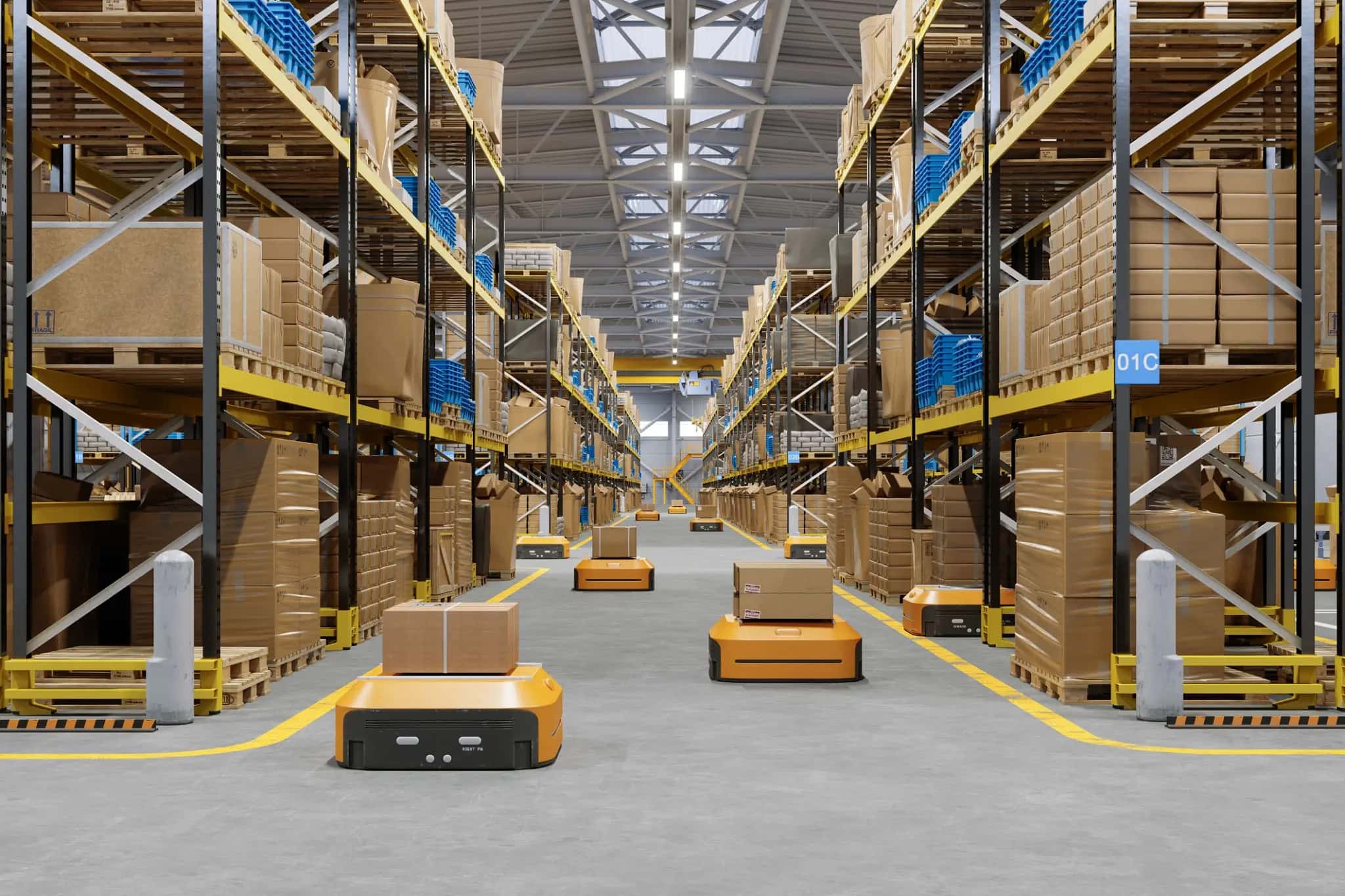
Warehouse Logistics Management
This UHF RFID warehouse logistics management solution adopts ultra-high frequency RFID special tags for pallets and racks, replacing traditional paper-based manual warehouse operation modes. The system consists of electronic tags, handheld/vehicle-mounted fixed readers, wireless LAN and backend server, covering full-process functions including goods inbound, outbound, real-time inventory checking, stock transfer and error alarm.
By binding pallet tag ID with rack location information, forklift terminals and warehouse gate reading equipment automatically collect cargo data without manual entry, enabling real-time positioning, full goods traceability and automatic inventory statistics. The dedicated industrial RFID hardware features IP68 waterproof, wide temperature resistance and long reading distance, adapting to complex warehouse environments.
It has been applied in stereoscopic warehouses, logistics parks and other scenarios, significantly lifting warehouse operation efficiency, cutting labor and inventory loss costs, accelerating capital turnover, providing accurate data analysis for enterprise management, and delivering clear ROI improvements in efficiency, financial control and decision-making capability.
I. Pain Points of Traditional Warehouse Management
1.1 Low goods identification efficiency & single-item scanning limitation
Traditional barcode operation requires line-of-sight alignment and only supports single-item reading. Labels easily wear, get stained or deform under temperature changes. Warehouse staff need to scan goods one by one during inbound, outbound and stocktaking, which drastically slows down handling throughput and cannot process full pallet batches quickly.
1.2 Discontinuous location & full-process traceability
Paper records and barcode data cannot bind goods with their pallet & shelf storage positions. Once goods are misplaced or lost, managers cannot quickly trace their transfer route, storage history and batch information, lacking complete circulation archives for abnormal stock checking.
1.3 Isolated independent data silos
Warehouse inbound/outbound, inventory and business ERP systems operate separately. Operators need to manually re-enter cargo data on multiple platforms, causing inconsistent stock figures, delayed data updates and low overall warehouse operation efficiency.
1.4 Slow manual stocktaking & error-prone location matching
Full manual inventory takes several working days for medium and large warehouses. When pallets are misplaced on wrong racks, staff cannot get real-time reminders, leading to long time spent searching goods and frequent placement errors.
1.5 Lack of automatic outbound verification control
Goods leaving the warehouse rely on manual inspection only, without automatic gate identification. It is hard to intercept unapproved outbound goods, and outbound records cannot be automatically synchronized to the system in real time.
1.6 Weak data analysis & decision support
Traditional warehouse modes only generate stock data after manual sorting. The system cannot automatically output inventory turnover, shelf utilization and stagnant goods reports, failing to provide timely data basis for warehouse scheduling and replenishment plans.
II. Solution Overview & Background
2.1 One-to-one binding of goods, pallets and rack tags
Adopt high-strength waterproof UHF RFID tags adapted for metal pallets and racks. Unique unalterable ID, batch, specification and storage location data are written into tags during goods warehousing, forming exclusive digital archives for each cargo unit and realizing linkage matching between pallets and corresponding shelf labels.
2.2 Full-node automatic batch data collection
Install fixed RFID antennas at warehouse inbound/outbound gates; equip forklifts with vehicle-mounted reading terminals and allocate handheld devices for stocktaking. The system simultaneously identifies dozens of tags without unpacking, automatically recording goods receiving, shelf storage, transfer and delivery status in real time.
2.3 Middleware to realize cross-system data synchronization
Special data middleware filters repeated tag reading data and converts unified standard formats, seamlessly connecting the RFID warehouse platform with WMS and ERP systems. It eliminates duplicate manual entry and ensures real-time synchronization of inventory, inbound and outbound data across business platforms.
2.4 Intelligent shelf matching & misplacement alarm mechanism
The system automatically compares pallet tag information with shelf tag data during storage. If pallets are placed on mismatched rack positions, visual and audio alerts will trigger on-site terminals to guide staff to adjust storage locations and reduce sorting errors.
2.5 Gate automatic outbound verification & closed-loop supervision
Fixed dual-antenna RFID security gates are deployed at all delivery exits. Only pre-approved outbound pallets can pass normally; unregistered goods will trigger alarms, and all outbound records are automatically uploaded to the back-end to form complete delivery trace logs.
2.6 Real-time inventory data statistics & early warning analysis
The back-end platform supports one-click full warehouse stocktaking, automatically generating analysis reports on shelf utilization, cargo turnover and stagnant inventory. Abnormal slow-moving stock and overstock items push real-time reminders to management terminals, supporting scientific warehouse layout and replenishment decision-making.
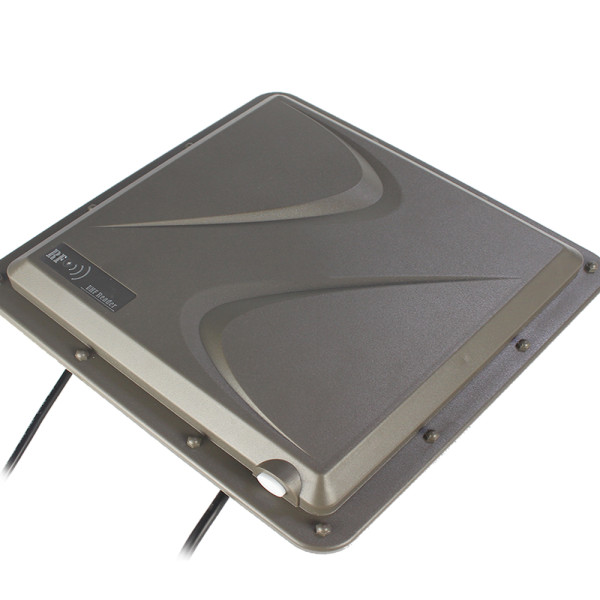
UHF RFID Reader| Yanzeo SR791| SR792| SR793 15M Long Distance Outdoor IP67 10dbi Antenna WIFI RS232/RS485/Wiegand RJ45/USB

Yanzeo SA810 UHF Long Range RFID Reader Support UDP TCP Http MQTT for Logistics, Warehousing, Parking lot Management
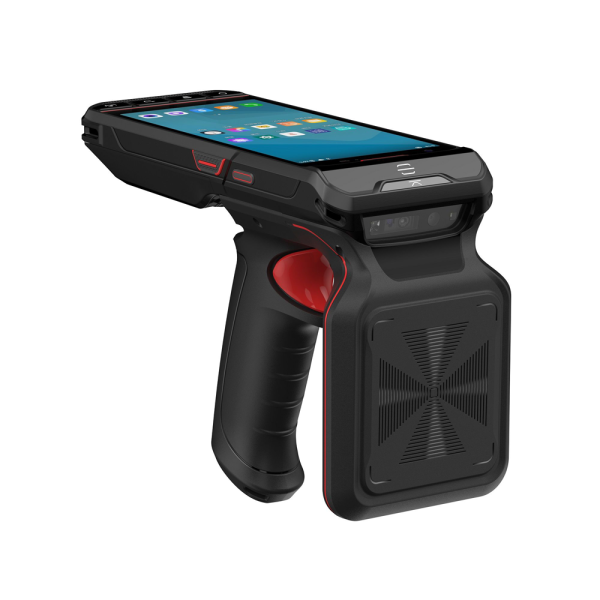
● Android 10 Mobile Computer
● 1D 2D &DPM Barcode Scanning,
● Long Range & High-speed UHF RFID Reading(Impinj E710 )
● Bluetooth, Camera, 10000mAh Battery with Patented Design
● Ultra Rugged, IP68 Sealing and 1.2m drop to concrete
● Used in Retail,Warehousing,Logistics,Inventory
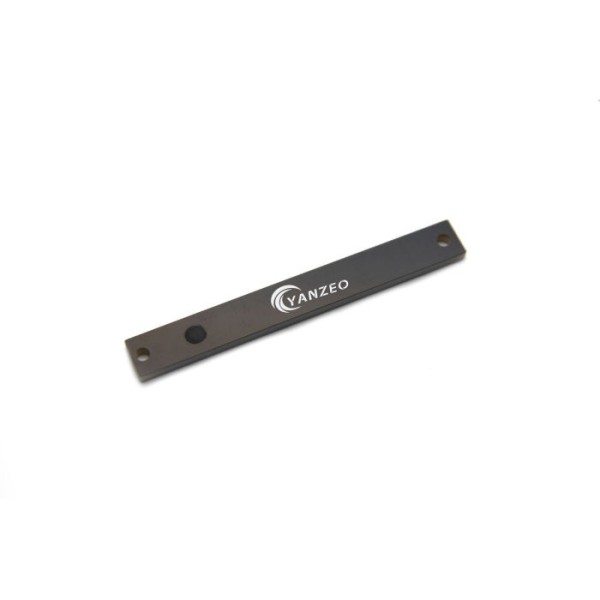
SY09595 860~960MHz PCB UHF RFID Tag High Temperature Anti-metal